Origami Turtle
The origami turtle is a satisfying intermediate model with a distinctive shell pattern, rounded head, and four stubby legs. The shell texture comes from a series of pleats that also give the model structural rigidity. Use green paper for a classic turtle look, or experiment with patterned paper to simulate the shell markings.
Video Tutorial
Step-by-Step Instructions
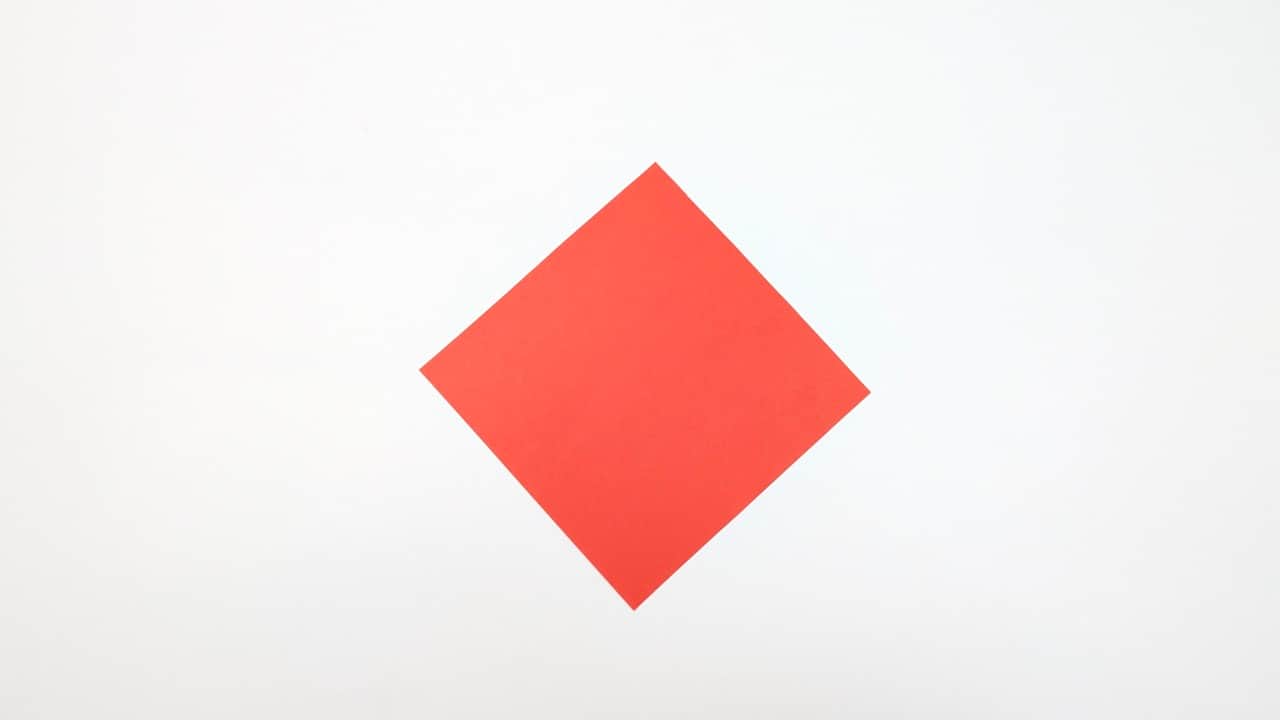 1
1Start with a square sheet of paper, colored side up, placed as a diamond with one point toward you.
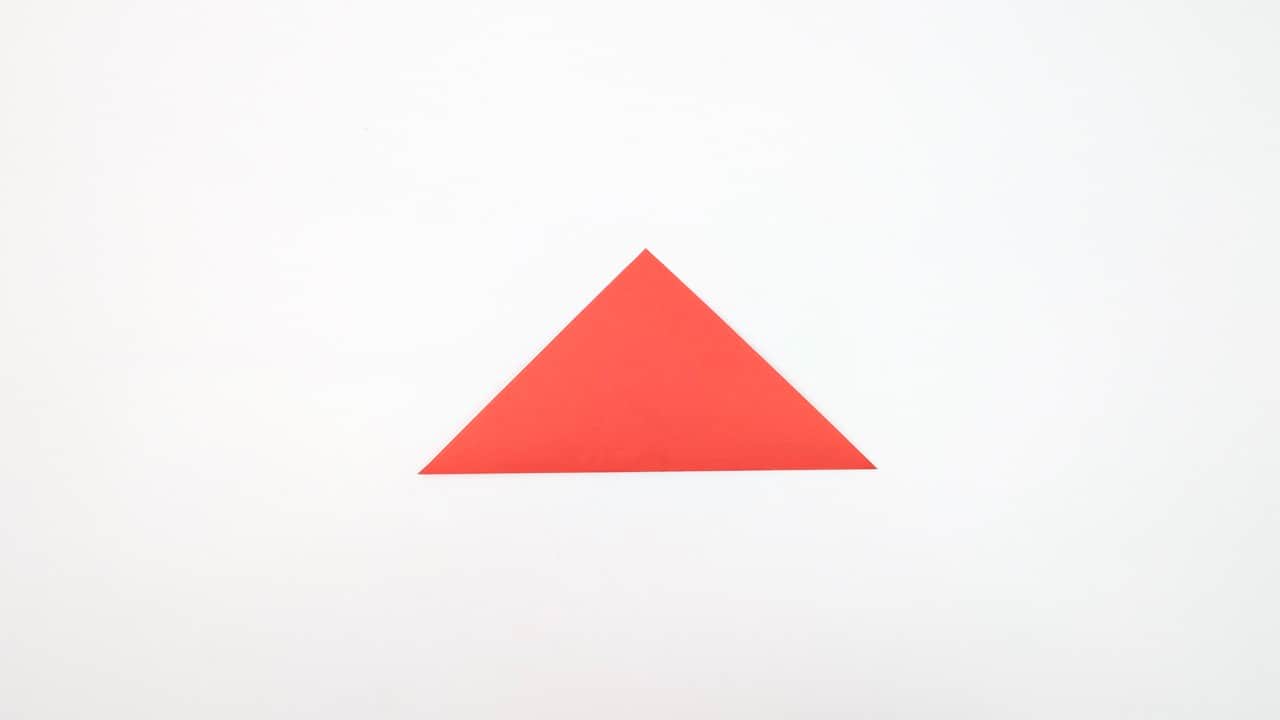 2
2Fold all four corners to the center point of the square.
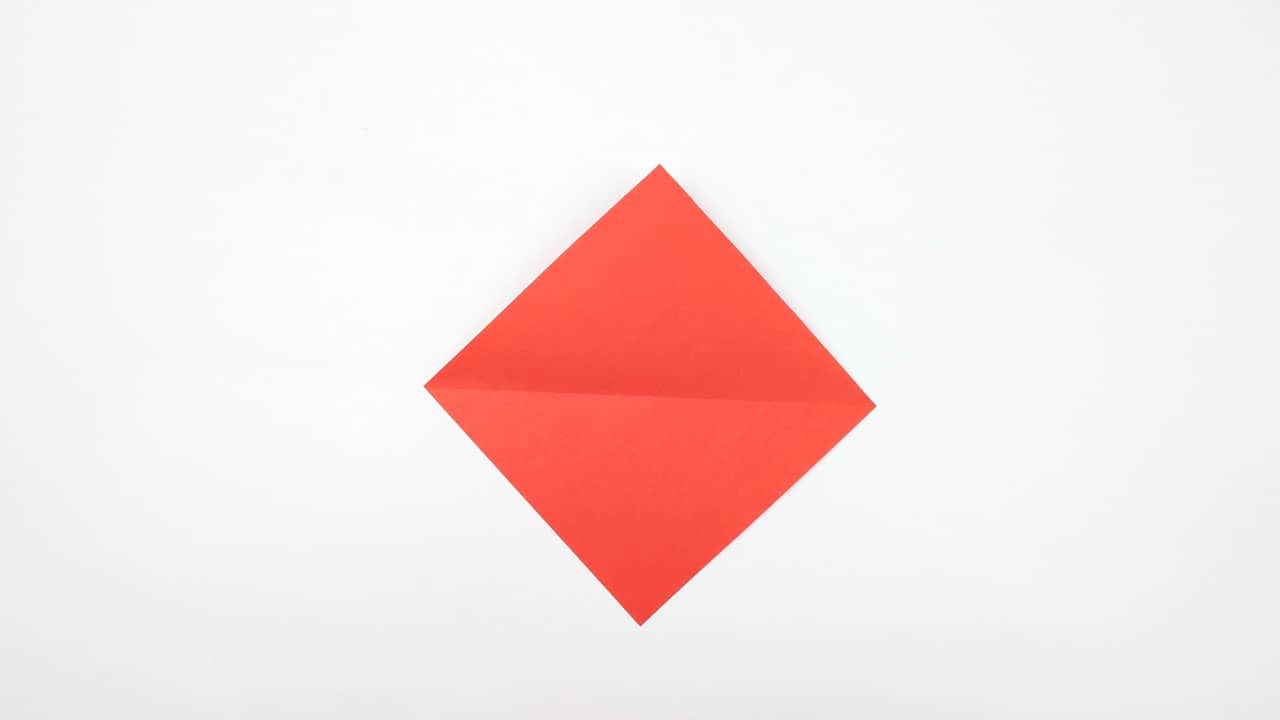 3
3Press all four triangular flaps flat. This is the blintz base.
 4
4Fold all four new corners to the center point again.
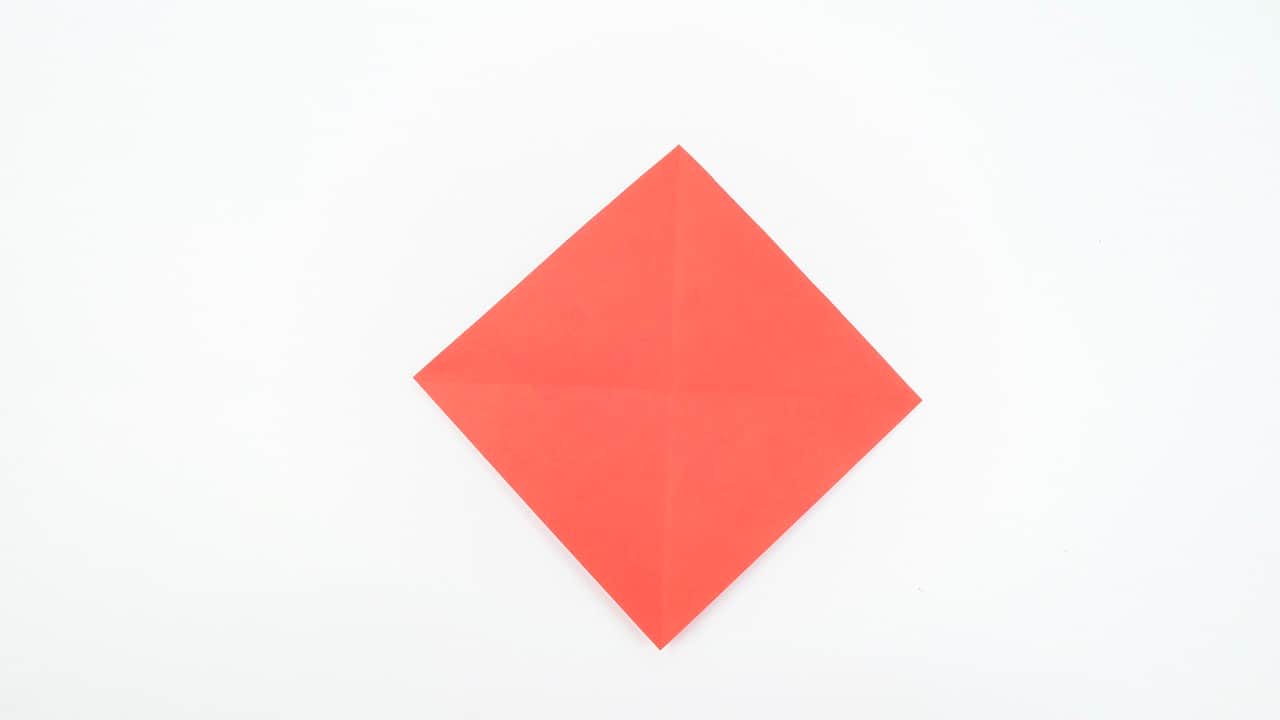 5
5Press flat. You now have a smaller square — the double blintz base.
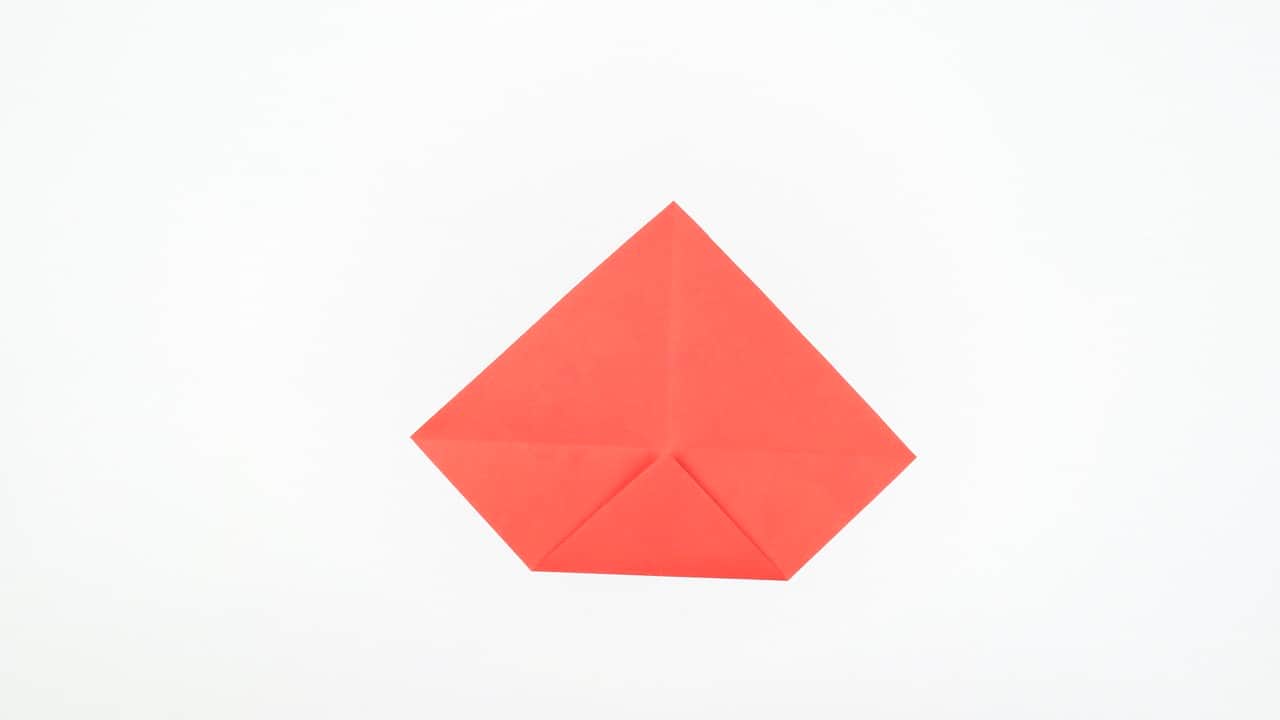 6
6Flip the entire model over.
 7
7Fold all four corners to the center one more time.
 8
8Press flat. The triple blintz forms the shell foundation.
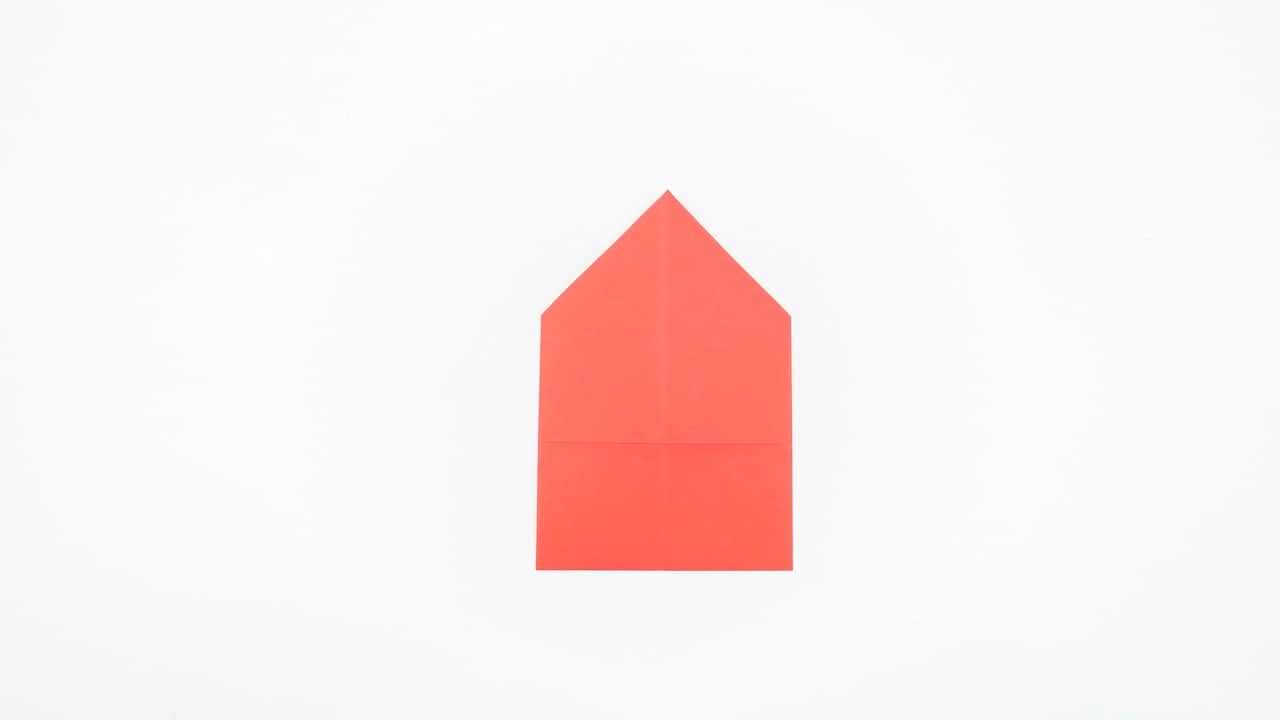 9
9Flip the model over again. You should see four square flaps with their points meeting in the center.
 10
10Gently pull each of the four center points outward slightly — these will become the legs.
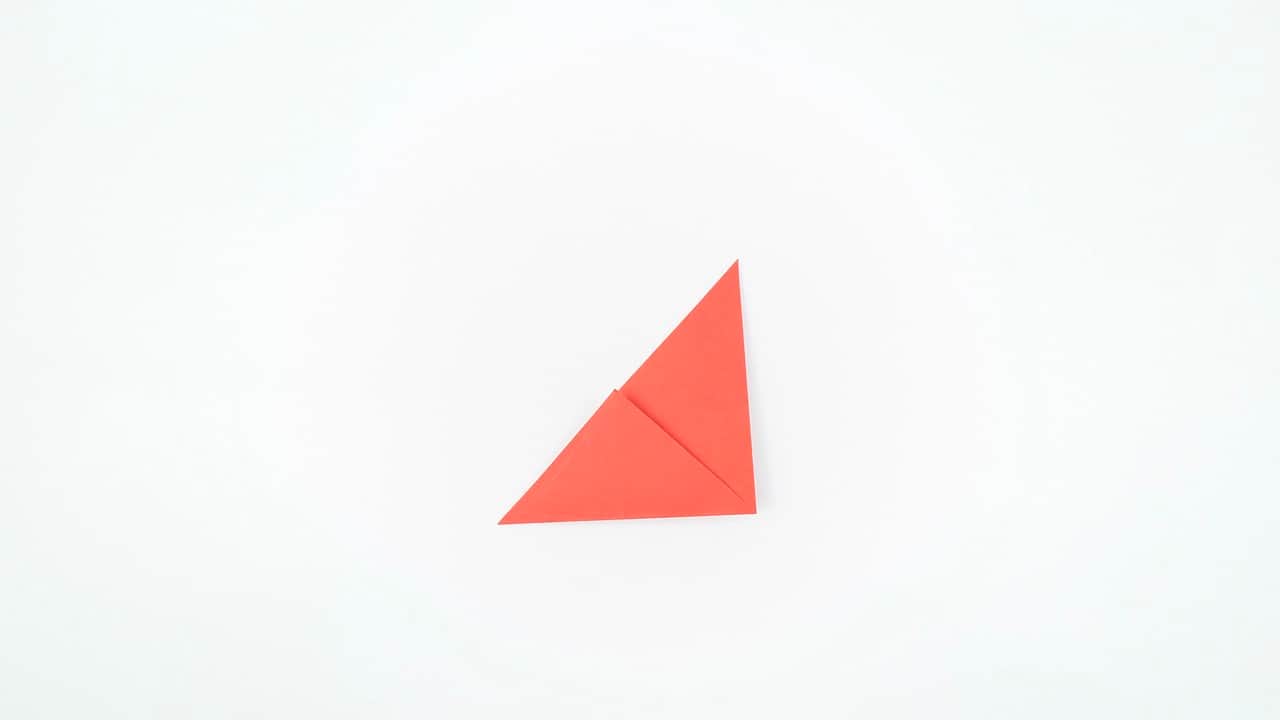 11
11Pull the top center flap upward — this becomes the head.
 12
12Pull the bottom center flap outward — this becomes the tail.
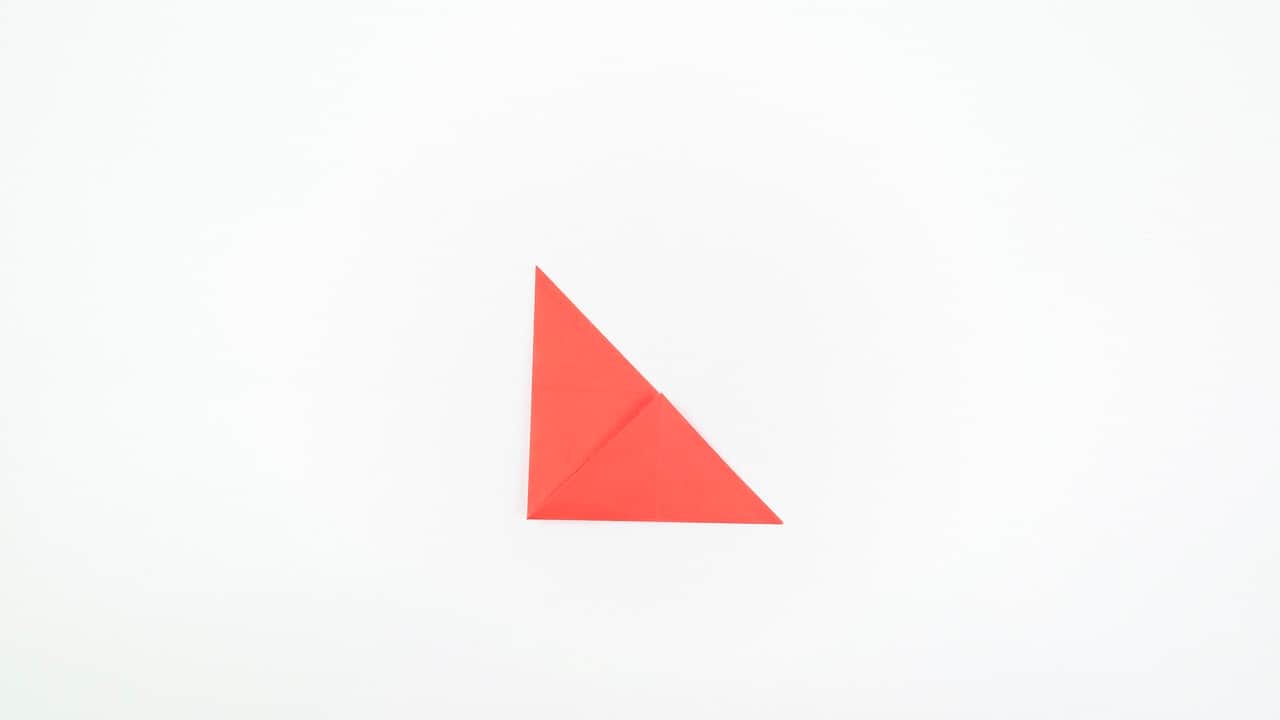 13
13You now have a rough turtle shape: four legs, a head, and a tail.
 14
14Fold the right leg outward at a downward angle so it points to the right.
 15
15Fold the left leg outward at a downward angle, mirroring the right leg.
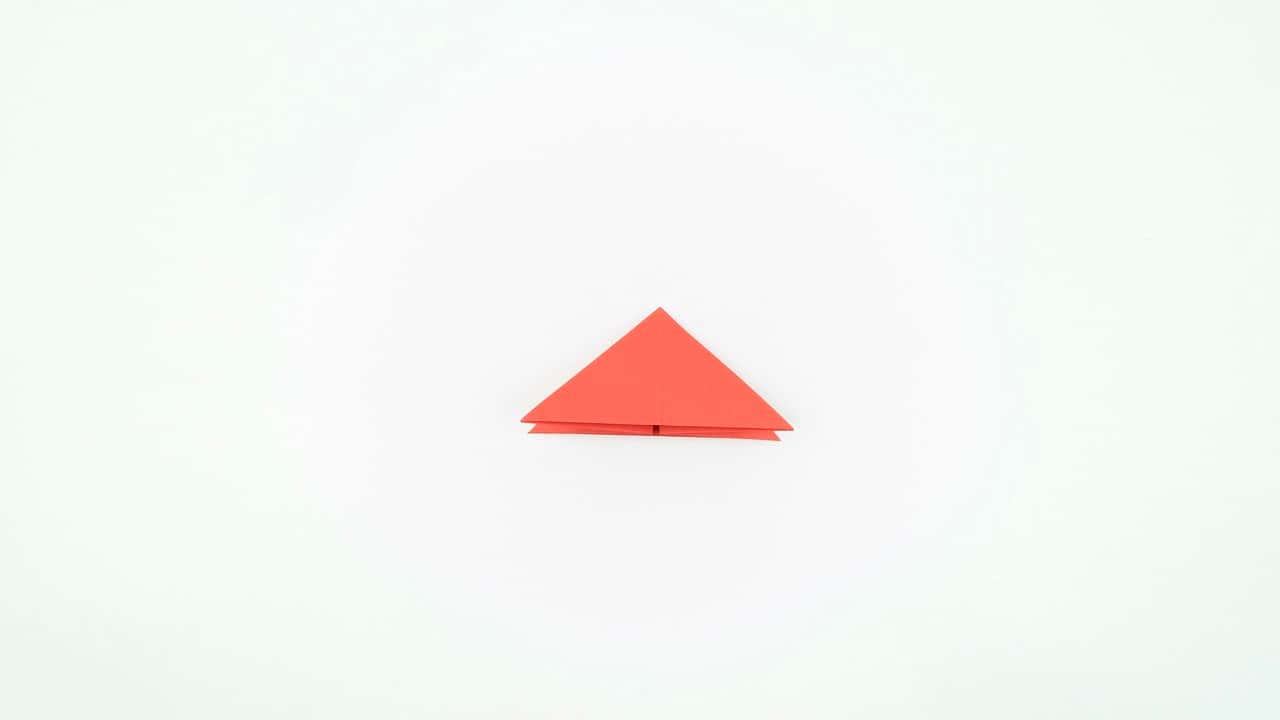 16
16Fold the top-right leg outward and upward at an angle.
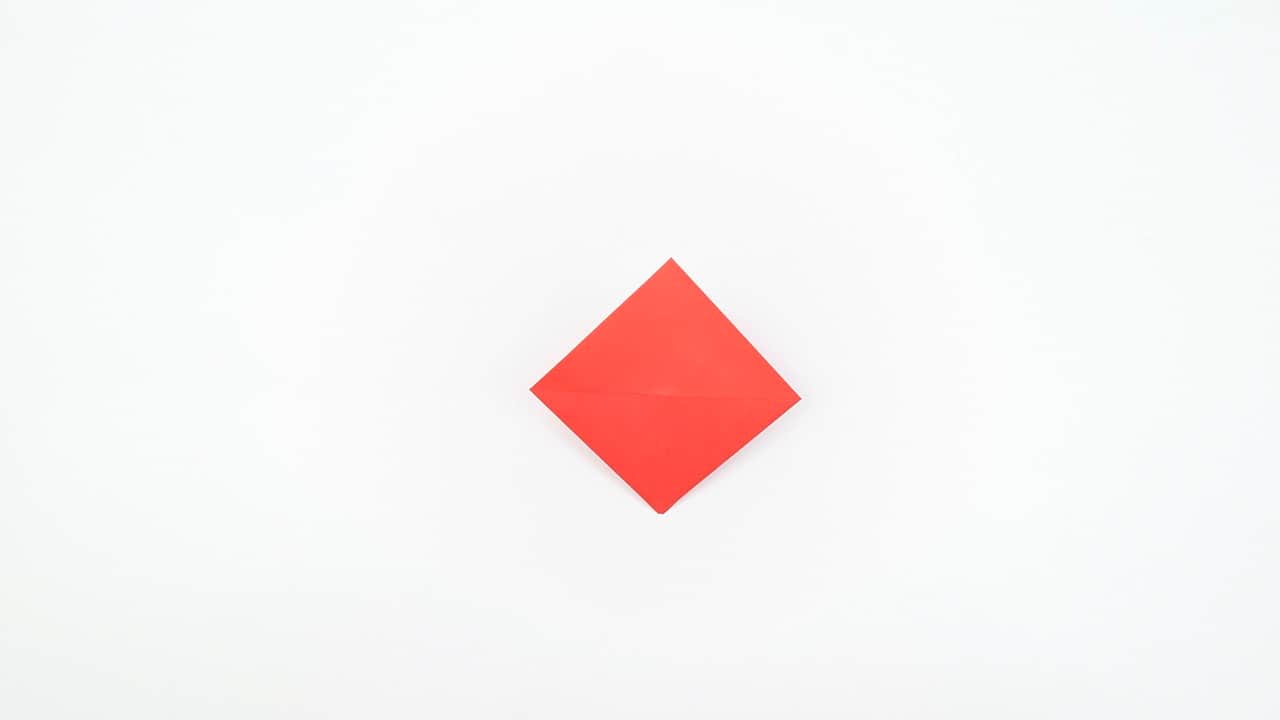 17
17Fold the top-left leg outward and upward to match.
 18
18All four legs should now extend outward from the body at roughly equal angles.
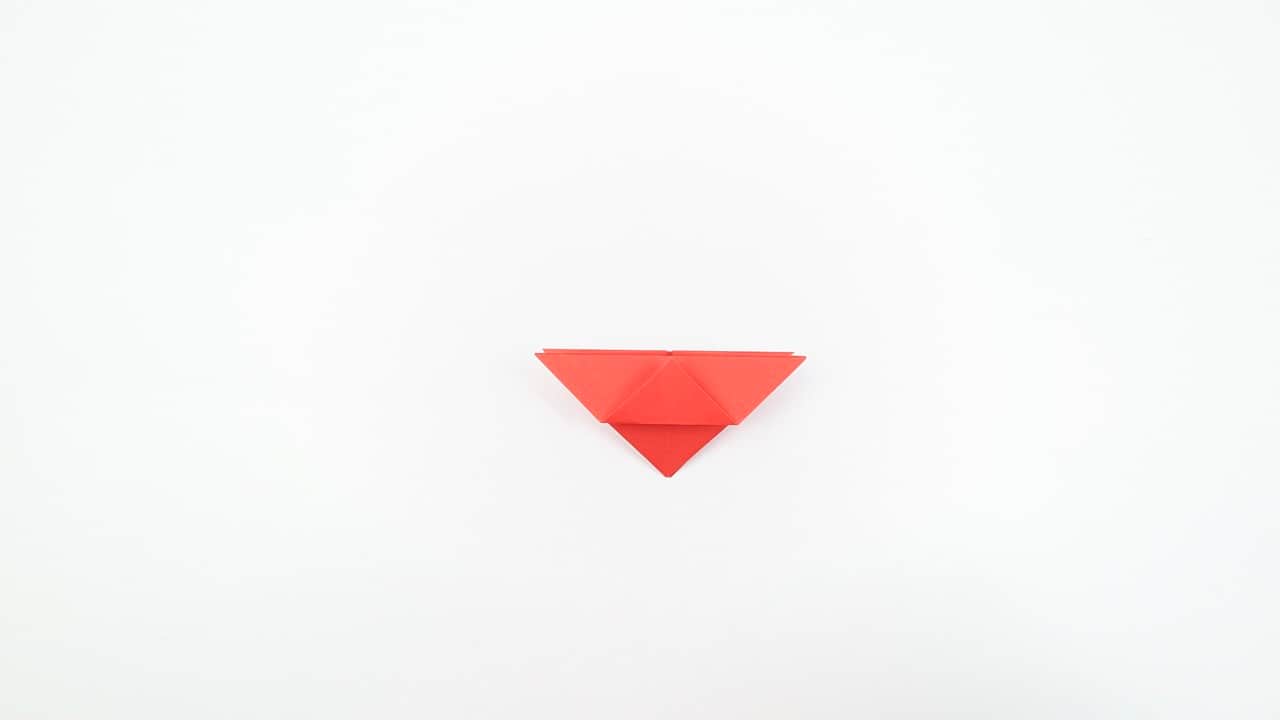 19
19Fold the head point back on itself to create a rounded head shape.
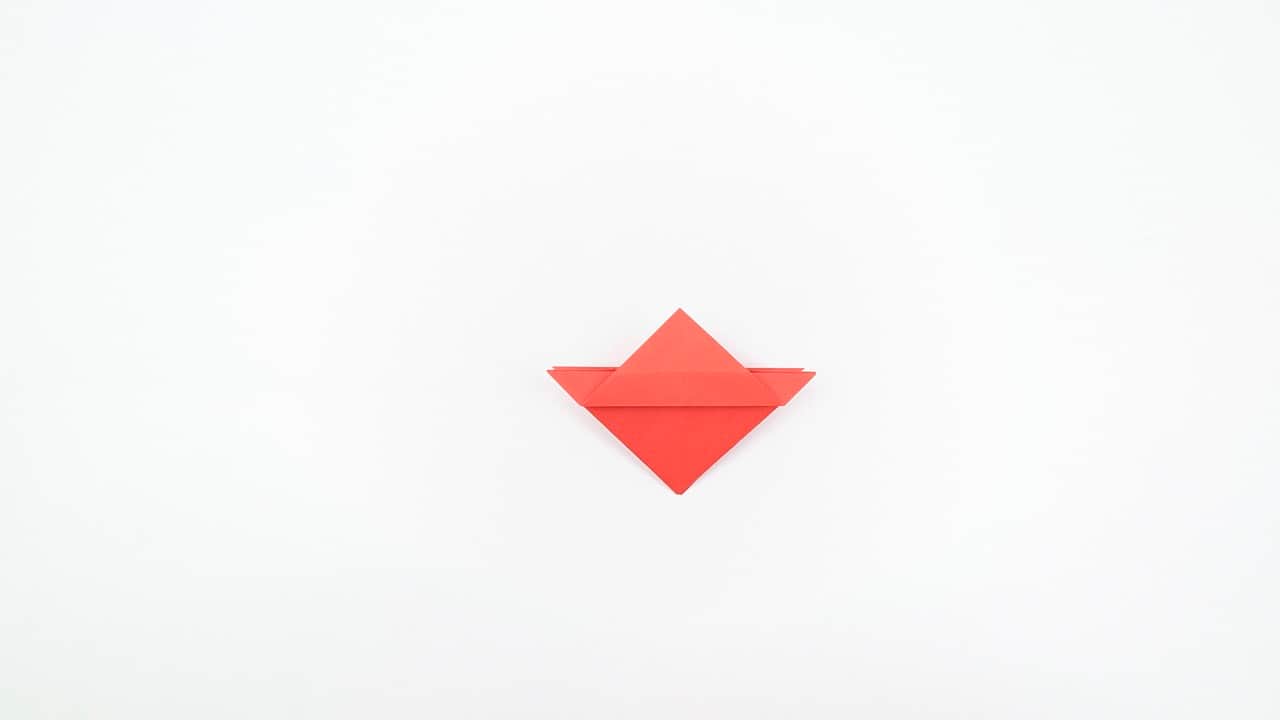 20
20Crease the head fold firmly so it holds a rounded position.
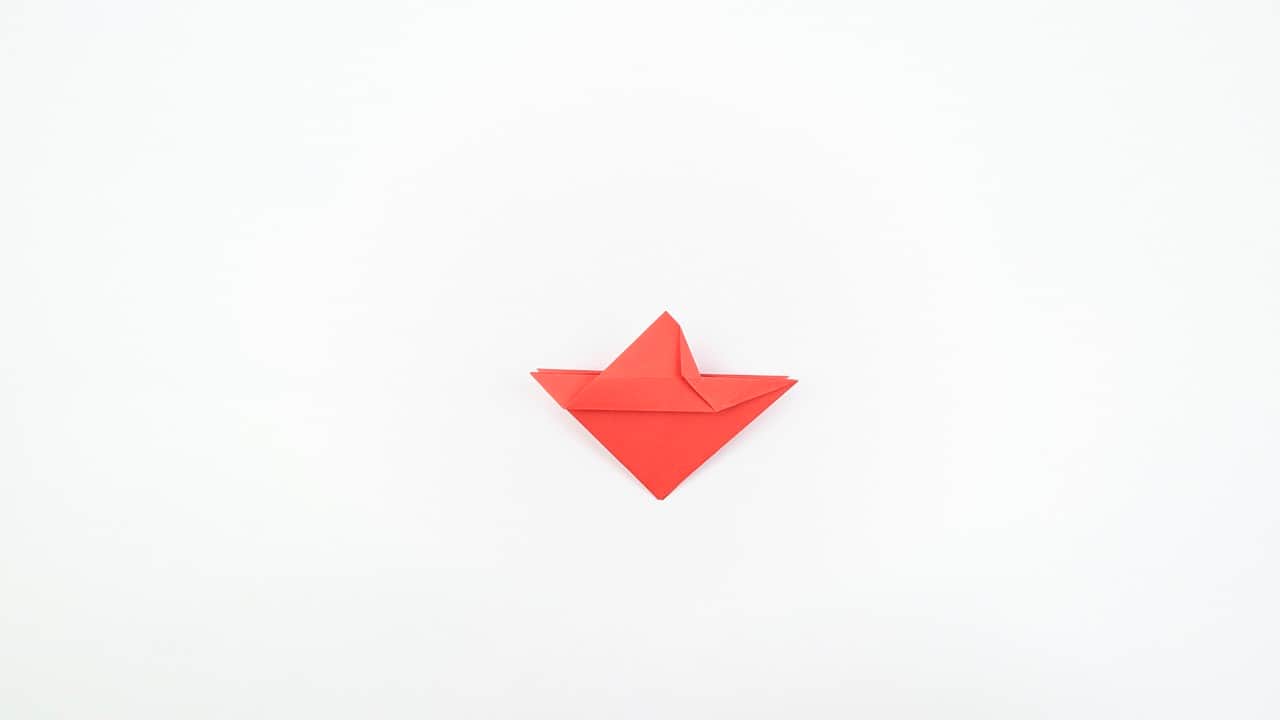 21
21Fold the tail point to a blunt end so it looks like a stubby tail.
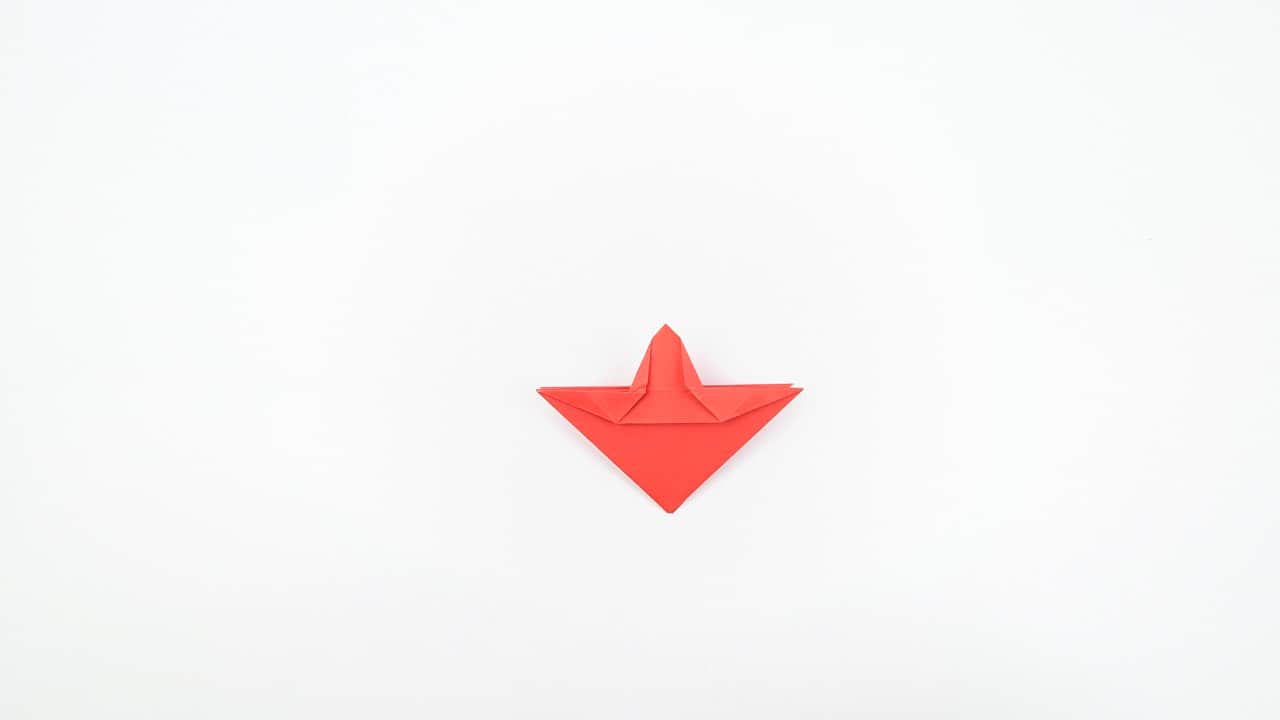 22
22Fold the tip of each leg downward slightly to suggest feet.
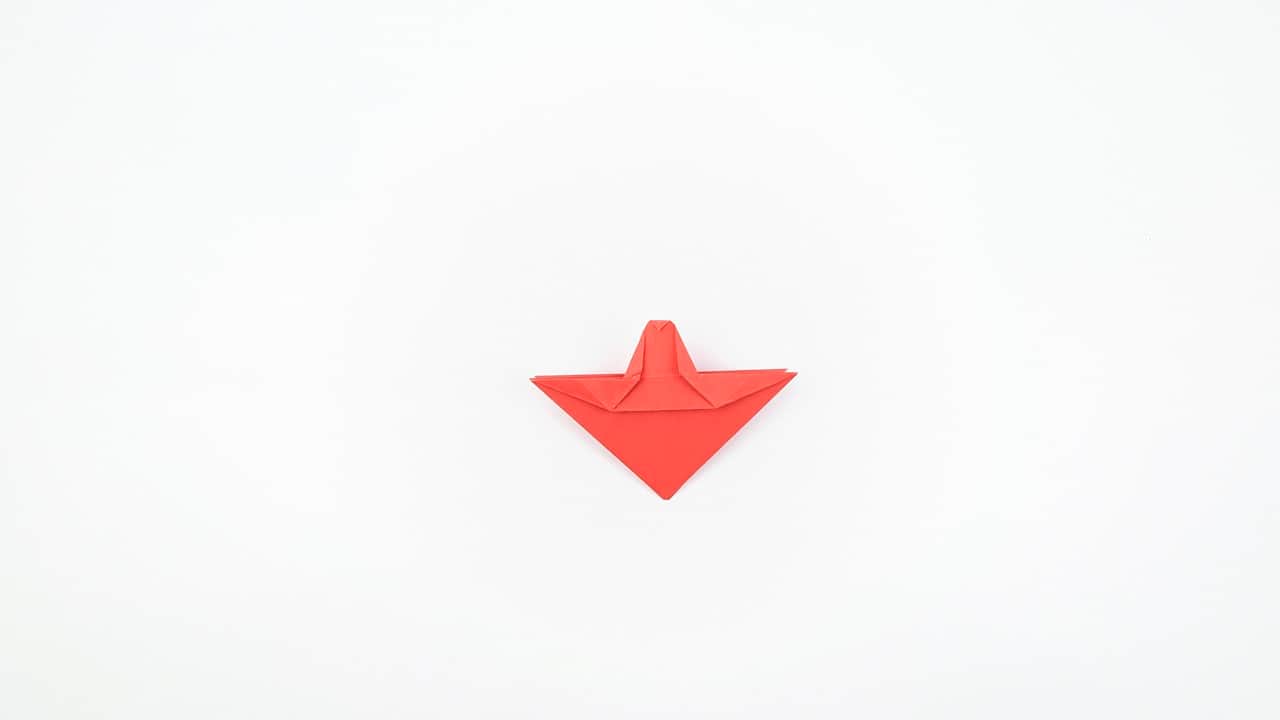 23
23Turn the model over so the shell faces up.
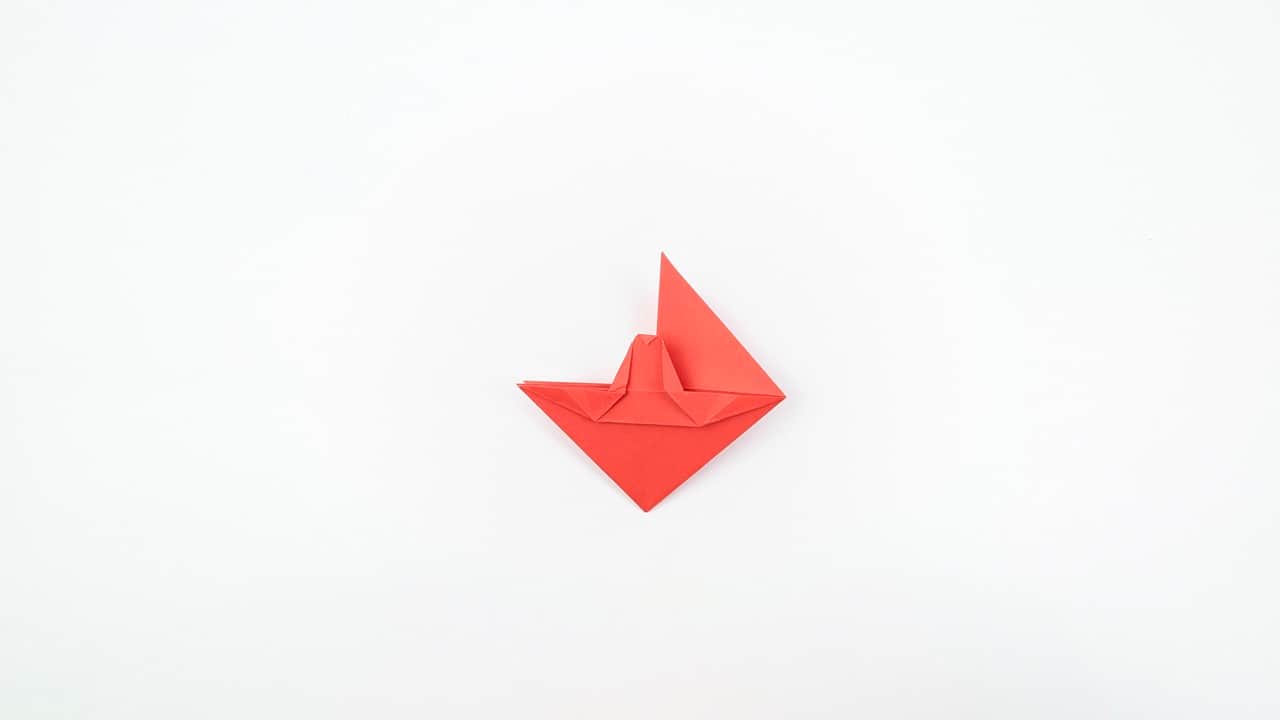 24
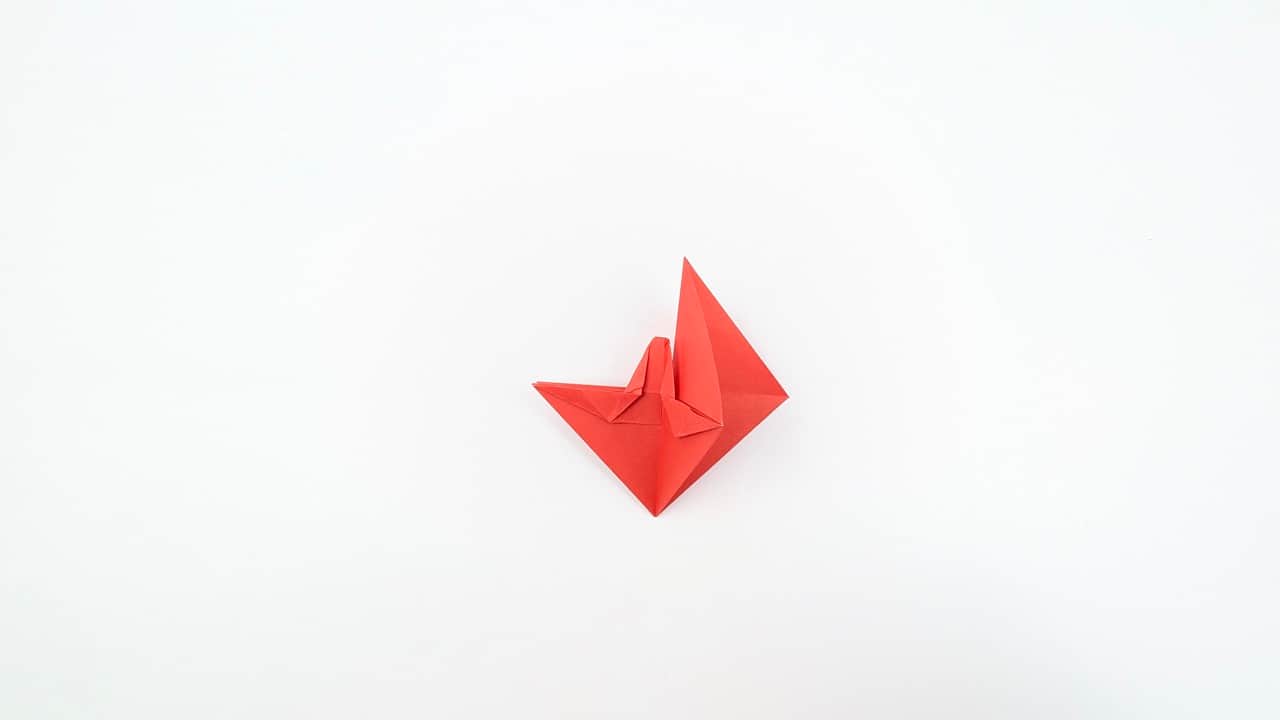
24Pinch the center of the shell and gently push upward to give it a dome shape.
 25
25Work around the entire shell, gently coaxing it into a rounded dome.
 26
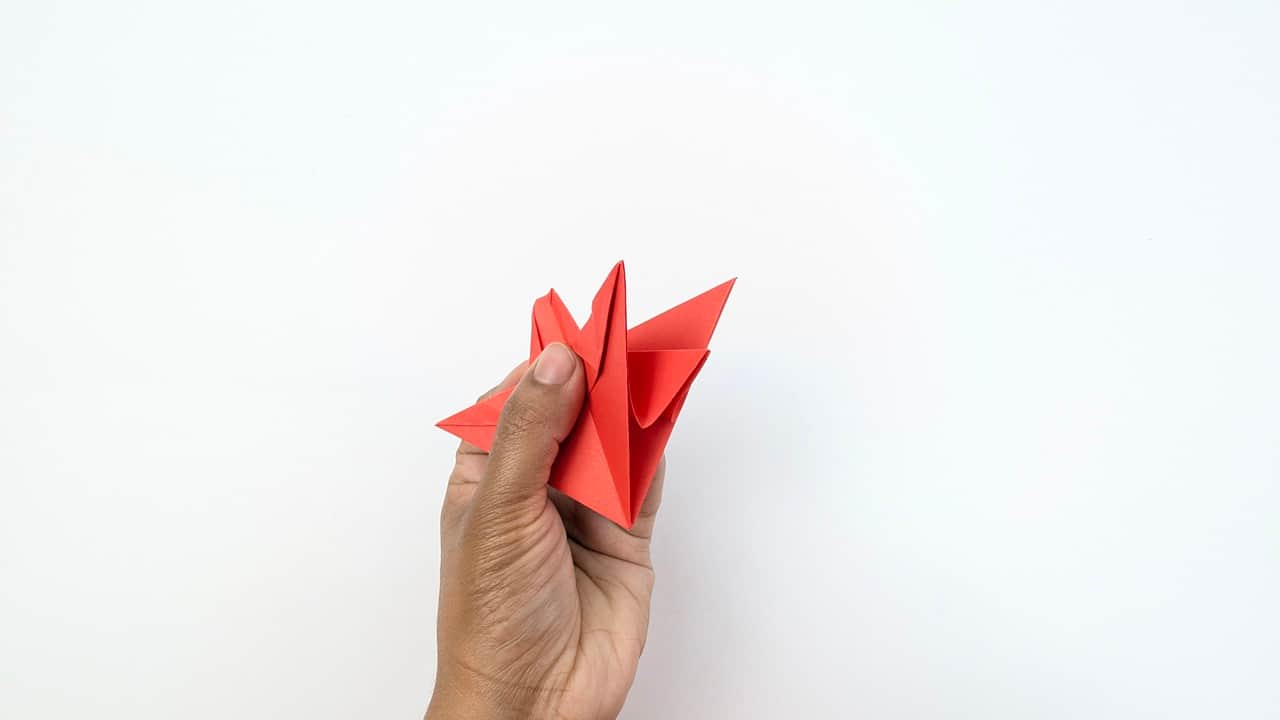
26Fold diagonal creases across the shell from corner to corner of each square panel to add shell texture.
 27
27These diagonal creases simulate the hexagonal plates of a real turtle shell.
 28
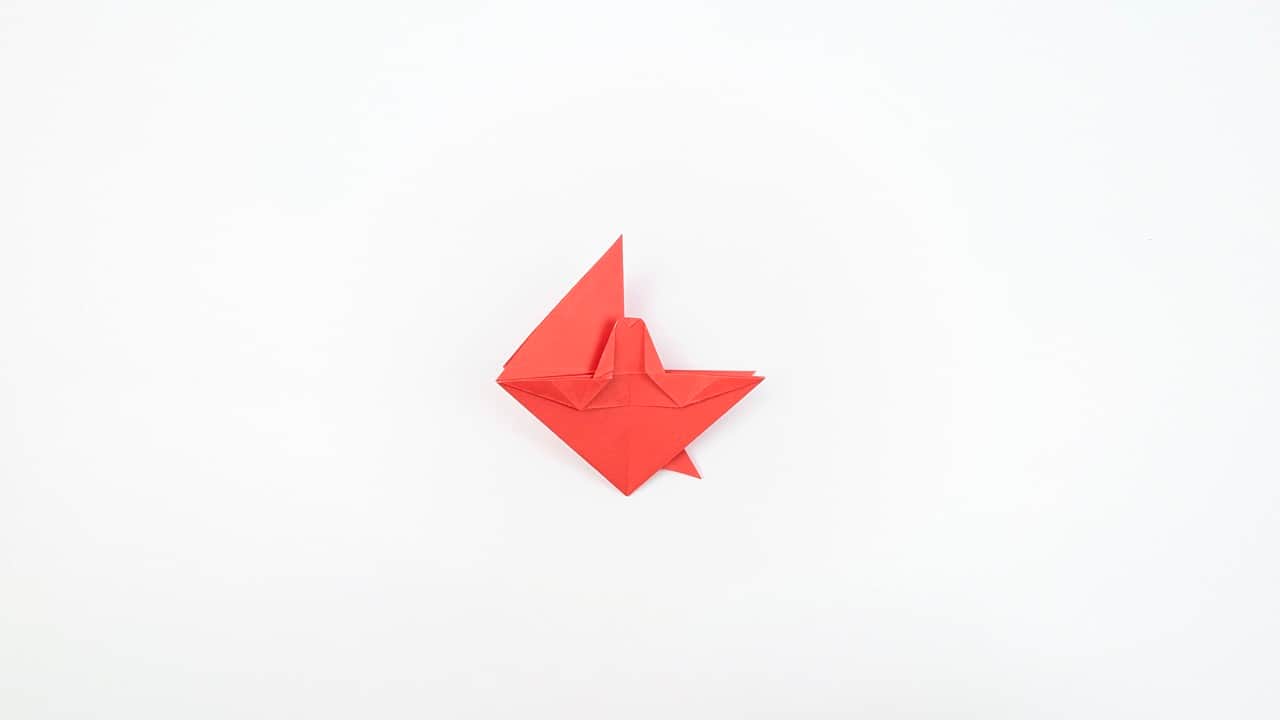
28Flip the model back over to work on the underside.
 29
29Check that all four legs are still symmetrical. Adjust any that have shifted.
 30
30Fold the tips of the front legs outward to widen the feet.
 31
31Fold the tips of the back legs outward to widen the feet.
 32
32Press the underside of the body flat so the turtle sits level on a surface.
 33
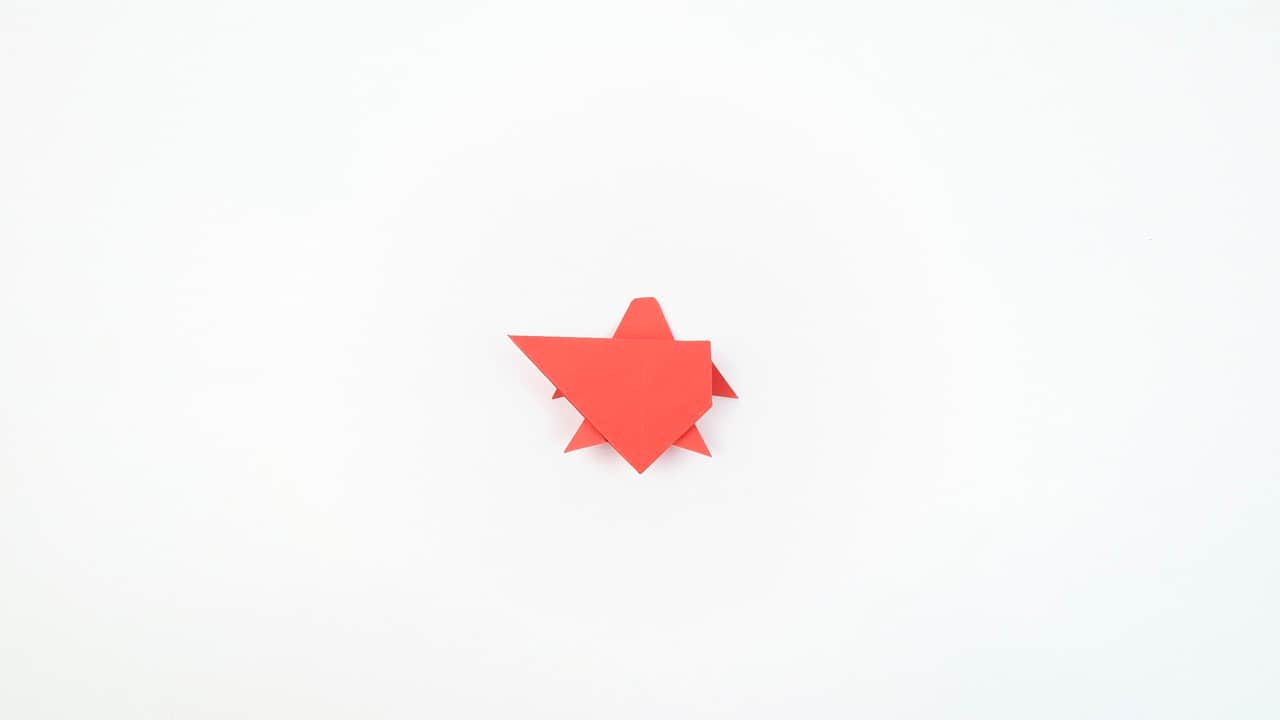
33Turn the model upright and check it sits stably on all four legs and rests evenly.
 34
34Adjust the head angle so it points slightly forward and upward.
 35
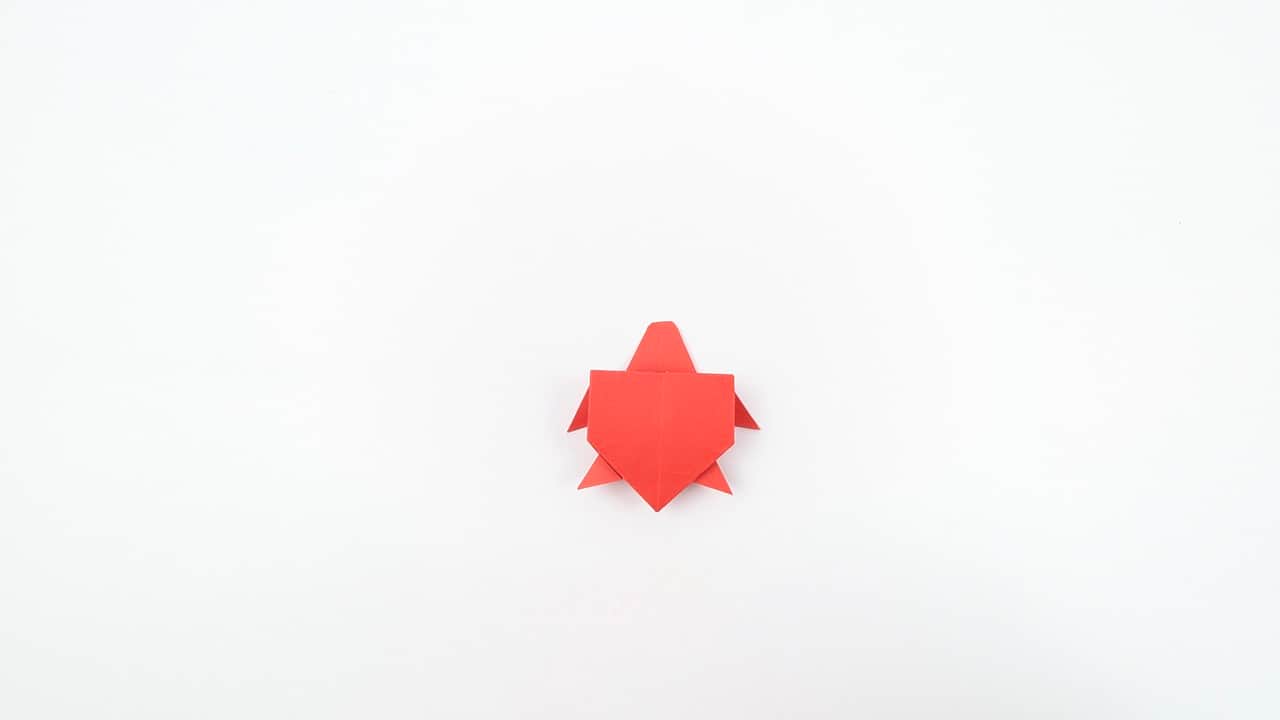
35Look at the turtle from the side — the dome shell should curve upward cleanly from the leg line.
 36
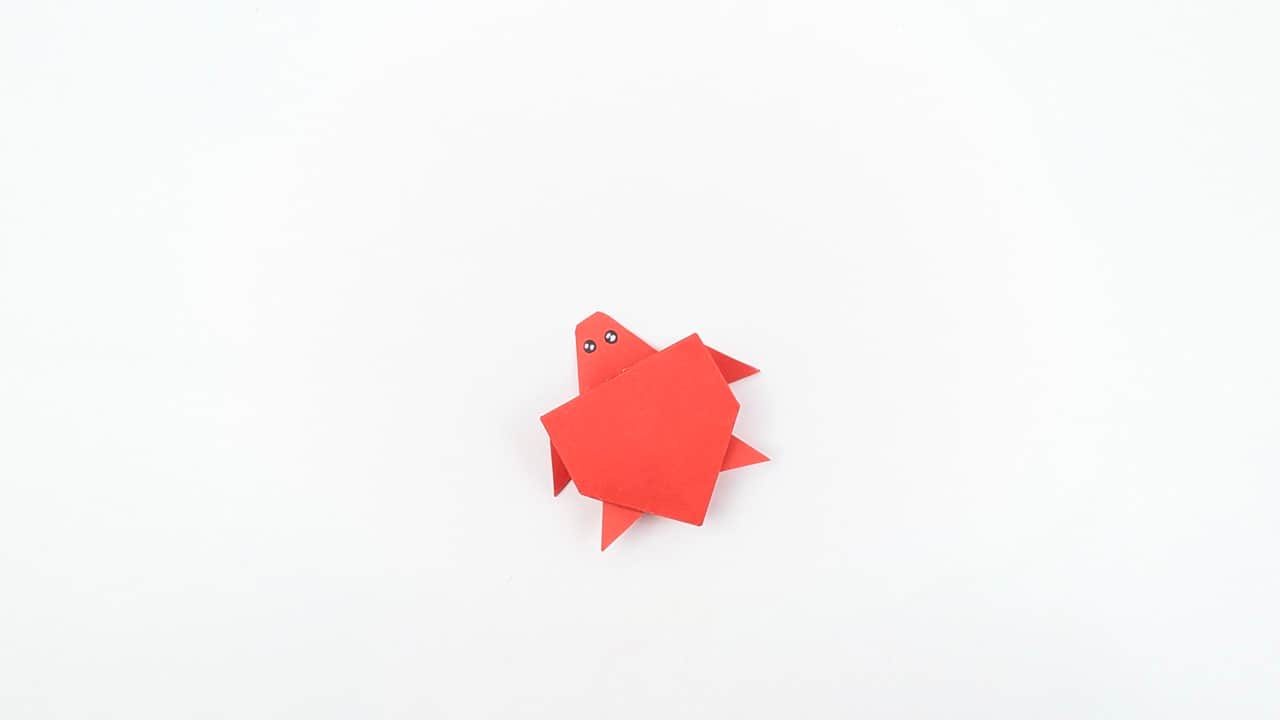
36Give all the shell creases one final firm press to set the dome shape permanently.
 37
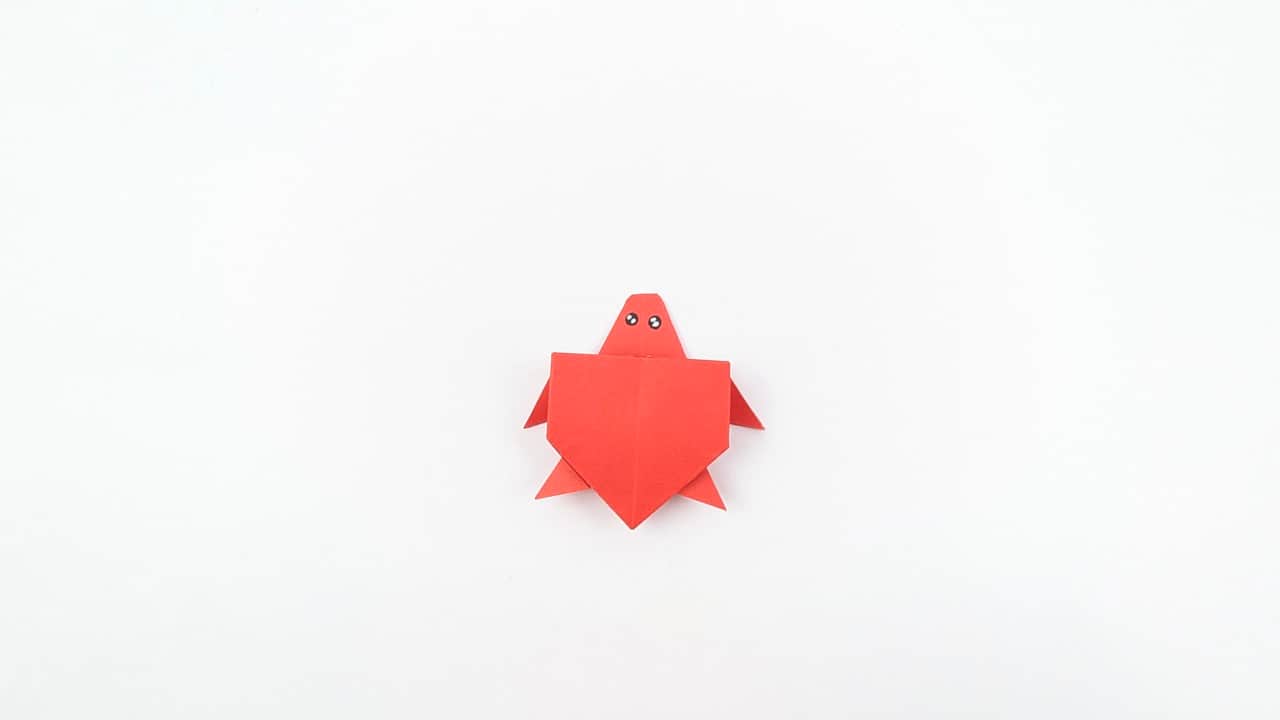
37Your origami turtle is complete. It sits stably and the shell dome gives it a realistic three-dimensional look.
Frequently Asked Questions
What paper should I use for the origami origami turtle?
Standard 15 cm x 15 cm origami paper (kami) works best for the Origami Turtle. The thin paper holds creases well and is easy to fold precisely.
How long does it take to fold the origami origami turtle?
This model takes approximately 20 minutes for someone with some experience. Beginners may need more time — that is completely normal. Take your time and focus on clean creases.
Is the origami origami turtle hard to make?
This model is rated medium. Some origami experience is helpful but not required. If you can fold a simple heart, you can handle this.
Can kids make the origami origami turtle?
Children ages 8+ with some folding experience can try the Origami Turtle with adult guidance. Younger children may find it challenging.
What size paper works best for the Origami Turtle?
For the Origami Turtle, we recommend a standard 15 cm (6 inch) square. Larger paper gives you more room to work with and is especially helpful for your first attempt.
What other folds should I learn before the Origami Turtle?
Before attempting the Origami Turtle, make sure you can fold the Jumping Frog, Simple Fish, Blue Whale. These models share similar techniques and will prepare you for this design.